
Here I sit in my vinyl easychair, secluded in the private bunker I’ve named Castle Bravo, smoking black hash from Afghanistan and listening to an old album of xylophone music.
The record was recorded in 1959, the year Hawaii became a United State. The music is supposed to be “exotic” but it’s essentially flavorless. They added minimal bird calls over the xylophone notes but the stock sound-effects do little to lend authenticity to the “South Sea Sounds” the liner-notes brag about. The notes also list the various types of xylophones played on the record. They have names that sound made up, like pattala, gambang, balafon, etc.. They sound like they’re all made of wood or bamboo.
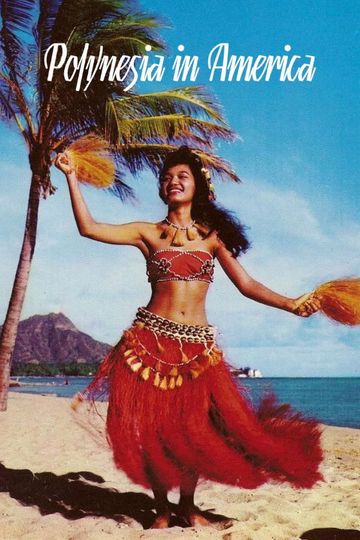
The album cover shows a beautiful native woman staring into the lens and the colors are so vibrant they cause a blood vessel in my right eye (the stronger of my two eyes) to burst again. My one bloodshot eye makes me look slightly off-center. I look like James Dean after a reckless bender. Without the handsome, charismatic panache of the man, of course.
I suddenly realize that the model on the album cover is Caucasian and painted to look Polynesian. She wears a revealing floral-print dress and a colorful lei composed of carnations. She’s trying for a sexy, mysterious look but to me she just looks unhappy.
Maybe she hated the assignment. Maybe the photographer kept hitting on her.
The record is warped from leaning against the radiator, so the music comes out droopy and off-balance. The bird calls slow down, tilting as if on seasick waters. One of the songs is called Tide Pool. Another is called Call of the Conch. The album as a whole is called The Lonely Beachcomber and I wonder if that’s what they called the xylophonist.
On the back cover, in the left side corner, is a little black-and-white photograph of a man with a pointy goatee and a tasseled fez. The caption under the pic says, Ivan Sterlitzer. He doesn’t look much like a beachcomber. He was probably a studio musician hoping to cash in on the exotica fad. It was a big deal at the time. People were smitten with the friendly, safe, travel-brochure culture of Polynesia. Tiki-themed restaurants blossomed like Plumeria flowers all over North America.
Of course, the Cold War maniacs were busy testing atomic bombs in the South Pacific at the same time. We can’t stop dropping destruction onto paradise. The radiation we tossed around like deadly confetti is still causing problems on that part of the planet. Many island women at the time suffered procreative horrors. Malformed knots of tentacles and jellied tissue emerged from their radiation-wracked reproductive systems. Many stillbirths weren’t recognizably human and were promptly buried under a dark cloud of shame and fear. Exposure to radiation can corrupt the very building blocks of life, damaging the genetic ribbons that determine human destiny. Birth defects and the slow suffering of acute radiation syndrome. The gushing floods of neurovascular collapse. Tissue necrosis. Cancer. Death.
The delightful irony of Americans listening to, “The Exotic Songs of the South Sea Islands” while bombing the living shit out of them and building atom bomb shelters in their own backyards is rich and thick and creamy. Duck and cover indeed.
I mix myself a Beefeater martini. It is a glorious companion to the sweet hashish.
The only island I ever wanted to visit was Easter Island (Rapa Nui) because of the big carved stone heads (moai). They’re one of the earth’s most enduring mysteries. One theory surmised that the rock heads were erected as a plea to the gods because the populace had cleared the forests, devastating the ecosystem and leading to mass starvation. But there is little evidence to support this hypothesis. I am strangely attracted to the theory that the heads were erected as a beacon for an alien invasion.
This idea has its own share of logical inconsistencies, however.
To be honest, if I traveled to Easter Island and stood among the head stones I would probably be disappointed and quickly become bored. That’s not meant to minimize the hard work that the Rapa Nui people put into the huge heads, I just know myself. Nothing ends up like it seems. Disappointment has pestered me my whole life.
I don’t have any interest in visiting Stonehenge either. Or the fucking Pyramids of Giza. I’d probably meet all those ancient monuments with a yawn and promptly ignore them. My interest would veer away as soon as I laid eyes on them, diverted by my impatient attention span. I know myself too well.
The last song on the record, Taboo Moon fades to crackling silence and the tonearm clicks to a stop. I put the album away and select another from behind the radiator—Jim Nabors, The Things I Love. The record is warped in a different way from The Beachcomber. The Things I Love was recorded in 1967, the year of my unexpected birth. I was born on a California beach, three weeks premature. I just wanted to check out the waves, man! I ruined my mother’s beach towel with the blood of my birth.
The record album plays.
The deformed polyvinyl causes Nabors’ rich baritone to warble and dip as it goes around and around the room, filling my head with motion sickness. I want a second martini but I’m worried it might further aggravate my nausea.
Jim Nabors’ ashes were sprinkled over Honolulu, Hawaii in 2017. He was eighty-seven right before that happened.
Christ, I’m back on the islands. How’d that happen?
Of course, we stole the Hawaiian Islands and forced statehood on the indigenous people there. Hawaiian statehood contributed to the “exotica” craze of 1959. We learned what poi was. Housewives, hyperactive from prescription amphetamines, attended classes to learn how to Hula dance. The loud and colorful Hawaiian shirt appeared and never really went away.
I decide the heck with it and make myself another Beefeater martini. If I vomit, I vomit. It’s not the end of the world.
Despite being born on the shore of the Pacific Ocean, I never learned to surf. I didn’t even care to watch it as a spectator. I passed on most pastimes. I was hobbyless for most of my early life. I just worked. I worked HARD.
I built my vast fortune with joy buzzers and fake vomit and itching powder and chewing gum that tastes like garlic. That’s right, I became a novelty magnate. I was ruthless back then, always looking to squeeze out the competition. I had the best whoopee cushion sales in the western hemisphere. My factories ran everyday, pumping endless practical gags into the world. Industrial humor. Assembly lines continuously manufacturing cheap jokes. My business was the bane of school teachers across the nation.
When I finally retired at the ripe age of 30, I had amassed millions. I could afford to live in the lap of luxury.
I still didn’t want to travel the world to peep at ancient monuments though. The Great Wall of China ain’t so great. I know it would only disappoint me.
Discover more from Crumbling Asphalt
Subscribe to get the latest posts sent to your email.

